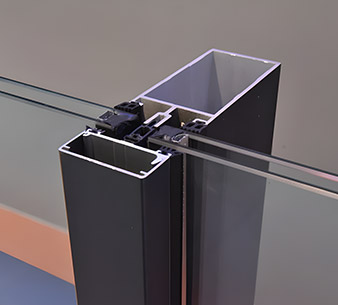
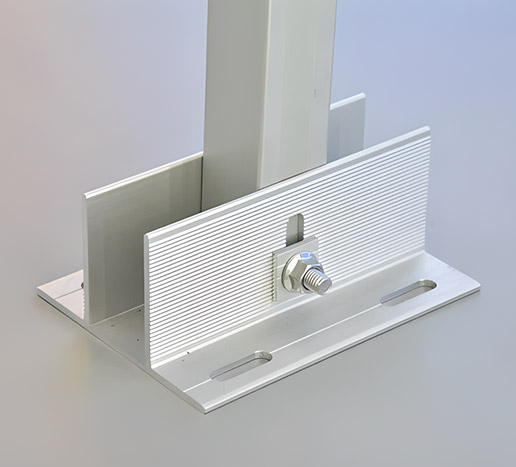
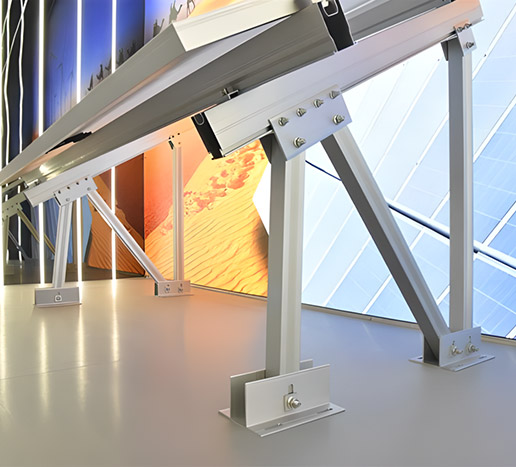
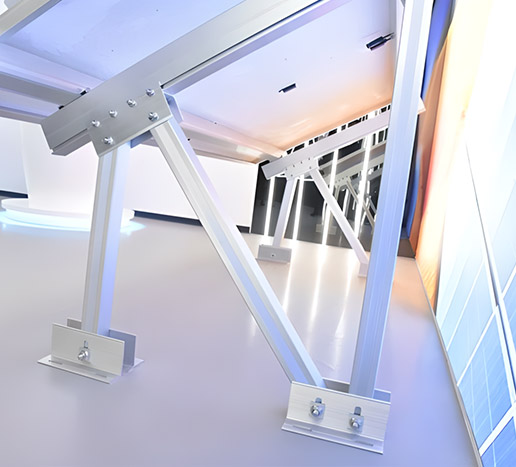
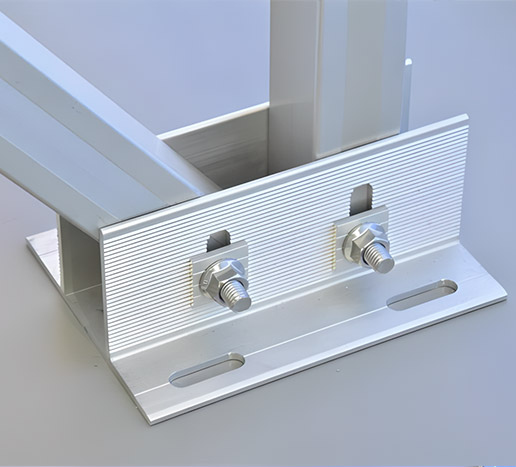
Aluminium frames offer significant advantages and are highly compatible with the characteristics of photovoltaic products. They are lightweight, corrosion-resistant, and high-strength, making them easy to transport and install. In addition, they boast a long service life.
Aluminium profiles for solar mounting systems
Aluminium alloy profiles can be reshaped with significantly reduced energy consumption after recycling, requiring only 5% of the energy needed in the initial production process from raw bauxite to finished profiles.
What are the key characteristics of photovoltaic mounting systems, and why are they important? Let’s explore.
Photovoltaic mounting systems exhibit a high level of safety performance and demonstrate clear advantages in the utilization of renewable solar energy. The use of high-quality materials often leads to superior outcomes. Although the manufacturing process of these materials may generate some heavy metal pollution, the pollution level per unit of photovoltaic systems is considerably lower compared to that of thermal power plants.
However, one major challenge faced by both pile-driven and standard photovoltaic mounting systems is the difficulty in improving power generation efficiency. As a result, large-scale photovoltaic power stations typically require extensive open areas for installation.
Photovoltaic mounting brackets are a critical component in construction projects. The quality of their installation directly impacts the overall safety and structural stability of the system. These brackets are designed with a compact structure, which requires strict quality control during installation to prevent potential performance issues during operation. Poor installation may lead to misalignment between components, causing material waste and potentially serious consequences that could affect both construction progress and production efficiency.
Aluminium profiles offer an efficient way to save both time and cost.
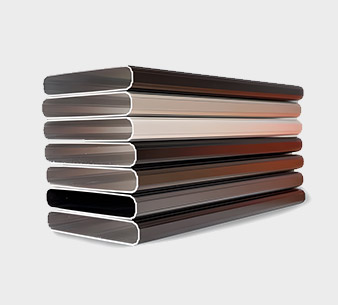
Aluminium possesses highly suitable properties for application in photovoltaic systems. These advantageous characteristics can be further improved through various surface finishing techniques, such as anodizing or powder coating. Hawke offers comprehensive support through co-creation, feasibility analysis, eco-design, and technical guidance across the entire project lifecycle. For instance, with our proprietary shape optimization tool, we can assist in designing aluminium profiles that minimize material usage while maintaining structural integrity. Typical applications include roof-mounted and field-installed solar systems.
Resistant to natural corrosion
Aluminium exposed to air forms a dense protective layer of aluminium oxide on its surface, which effectively prevents further oxidation of aluminium alloy profiles.
Resistant to galvanic corrosion
When the steel bracket comes into contact with the aluminium photovoltaic panel frame, the aluminium photovoltaic panel frame is susceptible to galvanic corrosion, whereas the aluminium alloy profile bracket effectively prevents this phenomenon.
Balance Voltage
Aluminium alloy profiles exhibit excellent electrical conductivity, which enables them to effectively conduct weak currents generated by various factors within the photovoltaic mounting system.
Easy to form
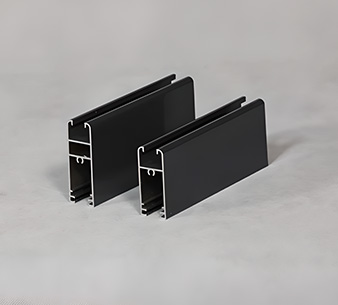
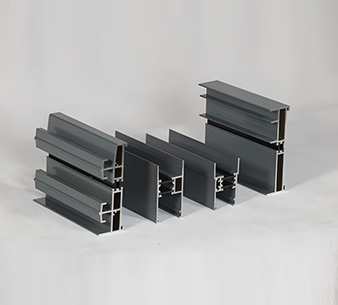
Aluminium profile products with various cross-sectional shapes can be efficiently produced through the extrusion process by utilizing corresponding mold designs.
Easy to process
Aluminium profiles can be readily fabricated into desired specifications through processes such as sawing, drilling, punching, and folding. Moreover, the energy consumption during the fabrication process is significantly lower compared to that of steel.
Low temperature resistance
In low-temperature environments, ordinary steel—particularly in the welding areas—exhibits brittle and fragile characteristics, whereas the strength of aluminium alloy profiles tends to increase.