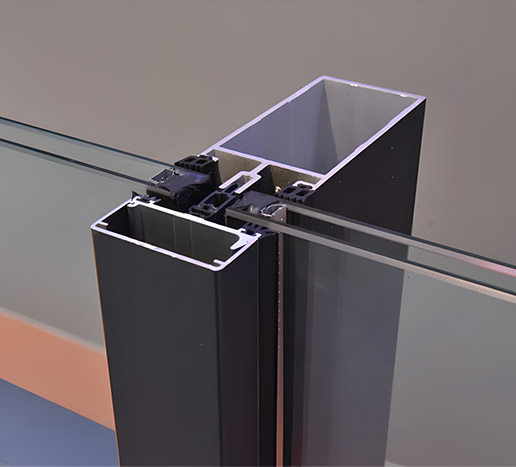
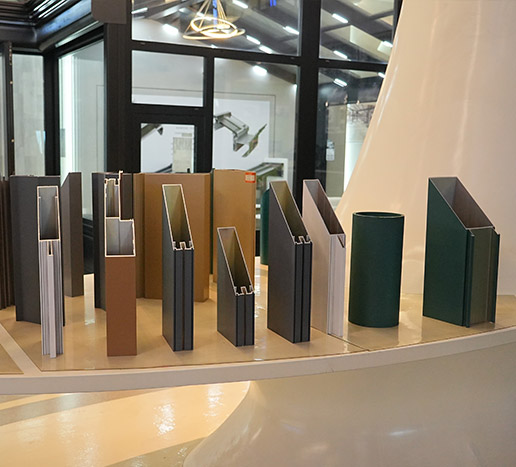
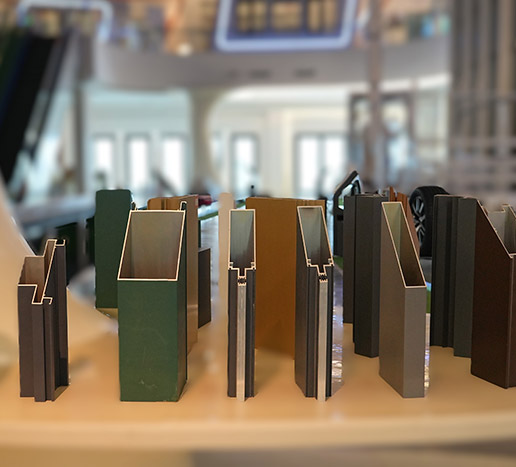
Curtain wall systems are engineered to offer an additional layer of protection against environmental elements for large-scale commercial structures. These systems are typically fabricated using durable materials such as glass and aluminium, providing essential structural stability and enhanced thermal insulation against external temperature variations.
Curtain wall systems are designed to provide an added layer of protection against the elements for large-scale commercial buildings. These walls are usually constructed of durable glass and aluminium and can provide much-needed stability and added insulation against outdoor temperatures. Our company can often provide you with repair services for these innovative structural components.
Glass curtain wall systems can provide added structural stability for tall structures, which can reduce sway and protect against high winds and geological events. By deflecting wind and rain away from the exterior of the building, these walls can reduce the risk of damage to exterior surfaces. Houston commercial glass curtain walls can enhance the appearance of buildings, creating a beautiful façade. Additionally, these installations can add a layer of insulation that can increase the energy efficiency of your building. Curtain walls can also provide added protection against the spread of fire, especially in high-rise developments.
Weather Resistance: Curtain walls effectively protect buildings from strong winds and heavy rainfall.
Insulation: Curtain walls serve as a barrier and insulating layer, preventing the infiltration of air and moisture into the building interior.
Energy Efficiency: Curtain walls can reduce heating energy consumption by up to 40.8%.
Noise Reduction: Curtain walls contribute to noise mitigation, enhancing acoustic comfort within the building.
Design Flexibility: Curtain walls offer a high degree of customization, allowing them to be tailored to the specific aesthetic and functional requirements of the building owner.
With the growing number of high-rise buildings, curtain wall systems have become increasingly prevalent. A detailed information of curtain wall systems follows.
Curtain walls are typically prefabricated in a factory and preassembled before being transported to the construction site. Generally, curtain wall systems can be categorized into two types based on the method of component assembly.
Stick Curtain Wall System:
In this type of curtain wall system, components are sequentially assembled on the building structure. This system is typically employed in low-rise buildings or for small-scale applications. The limitation arises from the requirement of external access for installation at higher elevations. One of the key advantages of this system is its flexibility, as it allows for on-site adjustments. Although it offers the benefit of relatively low shipping costs, the associated labor and time expenditures should not be overlooked, as they tend to be significant.
Unitized Curtain Wall System:
In this type of curtain wall system, all components are pre-assembled in the factory and then transported to the construction site as complete units. This eliminates the need for on-site individual installation. The dimensions of unitized curtain walls are typically determined by the floor-to-floor height of the building structure. Widely used in high-rise buildings, this system does not require external equipment such as scaffolding or large cranes during installation, with only small cranes or temporary hoisting devices being necessary. The system offers advantages including accelerated construction schedules and improved product quality due to factory-controlled manufacturing conditions. However, the transportation costs associated with this system are generally higher, as larger units require additional protective measures during transit.